

Campus content has a longer life than its original assignment.
A campus photo taken for admissions may later support an alumni newsletter, a fundraising campaign, a social post, an athletics story or an academic program page. Over time, those assets move across teams, folders, platforms and people who may never share the same office.
That may be fine for a while—until someone needs the approved version quickly.
Maybe admissions is refreshing a recruitment page. Or advancement needs images for a donor email. Or athletics needs rights-cleared media after an event. Without a shared digital asset management system, each team may search its own folders, ask marketing for help or reuse whatever version is easiest to find.
That’s how valuable campus photos, videos and marketing materials become harder to manage, harder to trust and harder to use.
Quick Answer: What Is Digital Asset Management for Higher Education?
Digital asset management for higher education gives colleges and universities a searchable system for campus photography, athletics media, admissions materials, alumni content, academic program assets, brand files and educational digital assets.
A digital asset management system helps campus teams find approved assets faster, manage metadata, control access, share files securely and keep content organized across departments, programs and audiences.
For institutions managing large content libraries, distributed teams, and campus-wide communication needs, DAM solutions can make approved materials easier to find, reuse and govern.
Higher Education Teams Manage More Than Campus Photos
Campus content is bigger than the image library.
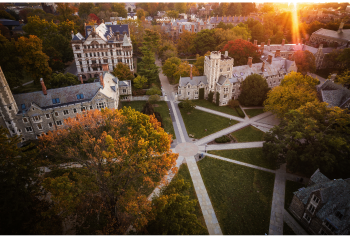
Colleges and universities manage admissions materials, athletics media, alumni content, academic program assets, event videos, brand guidelines, student life photography, historical archives and educational digital assets. Each asset may serve more than one department, audience or campaign.
As content needs grow, so does the complexity. Teams need to know which assets are approved, which photos have usage restrictions, which brand files are current and where to find materials connected to specific programs, events or audiences.
That’s where digital asset management becomes useful. A digital asset management system gives campus teams a more reliable way to organize, search and use approved content without depending on memory, inboxes or folder paths.
Why Shared Drives Slow Campus Teams Down
Shared drives are usually not the problem. At first.
They work when the content library is small, when one team manages most of the files and when everyone knows where things live. But higher education content rarely stays that simple for long.
Admissions, athletics, alumni relations, academic departments, student organizations and outside partners all need access to different assets for different reasons. Each group may have its own folder structure, naming habits and approval process.
Eventually, the friction shows up everywhere. Marketing spends time answering file requests. Admissions waits for updated campaign materials. Athletics needs fast access to media after events. Advancement looks for the right photos for donor communications.
Shared drives can store files, but they’re simply not built to manage the pace, permissions and scale of campus content.
What a Digital Asset Management System Does
A digital asset management system helps colleges and universities manage content with more structure.
Instead of relying on folders and filenames, DAM software uses metadata to add context to each asset. That means teams can search by department, event, program, campaign, audience, location, usage rights or other details that actually matter on a campus.

DAM solutions also help teams manage versions, permissions, approvals and file sharing. Instead of wondering whether a file is current, users can find approved assets faster and avoid pulling outdated materials into new work.
Many modern platforms also include AI-assisted search, which can improve discoverability across large libraries of photos, videos and educational digital assets.
Brand Consistency Gets Harder as More Teams Create Content
Higher education brands are used by a lot of people in a lot of places.
That’s a good thing. It means your institution’s story is being shared across admissions campaigns, athletics updates, alumni communications, academic programs, student life content and community partnerships.
But the more people who need brand assets, the easier it becomes for outdated logos, old templates or unapproved photos to keep circulating.
DAM solutions help by giving teams access to current, approved materials. Branded portals can also make it easier to share specific collections with campus users, agencies, media contacts or external partners without opening the entire asset library.
The goal isn’t to slow people down with more rules. It’s to make the right assets easier to find so brand consistency becomes easier to maintain.
Managing Educational Digital Assets at Scale
Educational digital assets go far beyond marketing campaigns.
They may include lecture materials, research visuals, event recordings, campus maps, program photography, advancement materials, historical archives, athletics content and student life media. As those libraries grow, teams need a better way to keep assets organized across departments and use cases.
Enterprise DAM gives higher education teams a scalable way to manage large content libraries. Permissions help ensure the right users can access the right materials. Metadata helps people search by meaningful campus details. Version control helps teams understand which files are current.

For institutions with distributed teams, multiple campuses, or large communications needs, organized content becomes a foundation for better collaboration.
How Digital Asset Management Improves Higher Education Workflows
Once assets become easier to find, the benefits show up across campus.
Marketing and communications teams spend less time responding to file requests. Admissions teams can access approved recruitment materials faster. Athletics departments can organize game-day photos and video. Alumni and advancement teams can find event images, campaign assets and donor communications without digging through old folders.
Marketing and communications teams spend less time responding to file requests. Admissions teams can access approved recruitment materials faster. Athletics departments can organize game-day photos and video. Alumni and advancement teams can find event images, campaign assets and donor communications without digging through old folders.
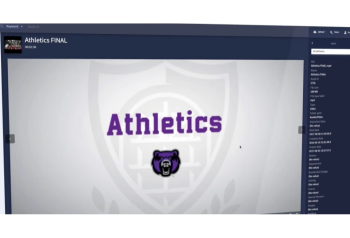
Digital asset management also makes external collaboration easier. Agencies, photographers, media partners and campus stakeholders can receive secure access to the assets they need without creating confusion or extra administrative work.
When teams can find, share and reuse approved content with confidence, campus workflows become smoother.
Higher Education Digital Asset Management FAQs
What is digital asset management for higher education?
Digital asset management for higher education is the process of storing, searching, controlling and sharing approved campus photos, videos, brand assets, admissions materials, athletics media, alumni content and educational digital assets in a DAM system.
Why do colleges and universities need DAM?
Colleges and universities need DAM because campus content often moves across departments, programs, campaigns and audiences. DAM helps teams reduce duplicate files, improve search, protect brand consistency and make approved assets easier to share.
What are educational digital assets?
Educational digital assets are digital files used to support academic, communications, student life, marketing or institutional work. They may include campus photos, videos, lecture materials, program images, research visuals, event recordings, brand assets and historical archives.
How does DAM support admissions, athletics and alumni teams?
DAM helps admissions teams find approved recruitment materials, athletics teams organize event media and alumni teams access photos, campaign assets and communications materials. That gives each team a more reliable way to find and reuse campus content.
What should higher education teams look for in DAM solutions?
Higher education teams should look for DAM solutions with strong metadata, permissions, secure sharing, branded portals, version control, AI-assisted search and support for large content libraries across departments and campuses.
Next Steps for Higher Education Teams Comparing DAM Solutions
For colleges and universities, digital asset management is about making campus content easier to find, govern and share across departments.
If your institution is comparing DAM solutions, the Digital Asset Management Buyer’s Guide for Higher Education can help your team evaluate the features, workflows and enterprise DAM capabilities that matter most.
Want to see how NetX supports higher education digital asset management? Schedule a personalized demo.