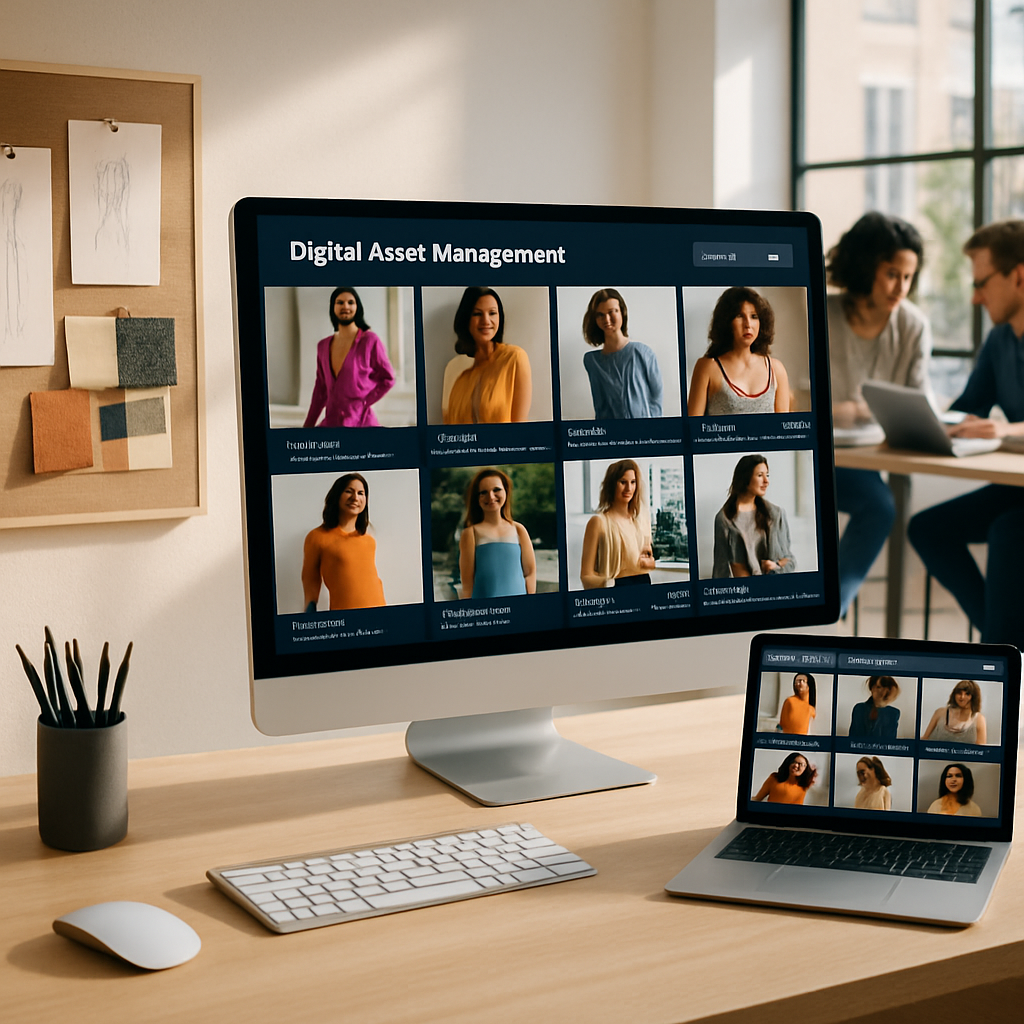
Digital assets are no longer “just files”
For enterprises managing thousands—or millions—of digital assets, the cost of using the wrong file, the wrong version, or giving access to the wrong person can be massive. A subcontractor building from an outdated blueprint. A marketer publishing unapproved brand assets. A museum releasing an image without cleared rights.
These aren’t edge cases. They’re everyday risks when organizations rely on shared drives, cloud storage, or disconnected tools to manage high-value digital content.
As AI accelerates content creation and teams become more distributed, Digital Asset Management (DAM) software has become critical business infrastructure, not a nice-to-have tool.
So how do you choose the right enterprise DAM system?
Not sure where to start? Our free DAM Buying Guide walks you through exactly what to evaluate — and what to avoid. Download the Free Guide.
What an Enterprise DAM Really Is (And What It Isn’t)
A Digital Asset Management system is not just a better Dropbox.
Cloud storage tools store files.
Enterprise DAM systems manage assets.
That difference matters.
An enterprise DAM provides:
- A single source of truth for approved, current assets
- Rich metadata and search beyond filenames
- Version control that eliminates guesswork
- Permissions and rights management at scale
- Governance across brands, regions, and teams
If your content has value, risk, or regulatory exposure, it’s an asset—not just a file.
The Real Cost of Not Having a DAM
Without a centralized DAM platform, organizations consistently face:
- 3–4 hours per week per employee spent searching for assets
- 25–40% duplicate content creation, driving unnecessary costs
- Brand inconsistency across regions and channels
- Slower campaign and product launch timelines
- Increased compliance and rights-management risk
By contrast, organizations that implement DAM report:
- Up to 80% reduction in asset search time
- 30% faster project completion
- 300–400% ROI within three years
- Investment payback in 12–18 months
This isn’t about convenience. It’s about operational efficiency and risk reduction.
See what DAM could mean for your organization. Get our free guide to understand the ROI, avoid common pitfalls, and evaluate vendors with confidence. Download the Free DAM Buying Guide.
6 Critical Criteria for Choosing Enterprise DAM Software
1. Findability Through Metadata
Enterprise DAM lives or dies by metadata.
Look for:
- Custom metadata fields aligned to your business
- Controlled vocabularies and taxonomy support
- Advanced filters and saved searches
If your DAM can’t surface the right asset in seconds, adoption will fail.
2. Version Control You Can Trust
“Final_v3_USE_THIS_ONE” is not version control.
Enterprise DAM systems should:
- Stack versions automatically
- Present the latest approved version by default
- Maintain a complete audit trail
- Prevent accidental use of outdated files
This alone can eliminate costly rework and brand risk.
3. Permissions, Rights & Governance
Security isn’t optional at enterprise scale.
A DAM should support:
- Role-based access controls
- Usage rights and expiration tracking
- Audit logs for compliance
Controlled external sharing
Organizations using DAM report 70% fewer unauthorized asset uses and 50% stronger compliance.
4. Workflow Automation
DAM should accelerate work, not add steps.
Key workflow capabilities include:
- Approval workflows
- Status tracking (draft, approved, expired)
- Automated notifications
- Review and annotation tools
Teams using DAM complete projects 30% faster on average.
5. Integrations With Your Ecosystem
DAM doesn’t live in isolation.
Look for integrations with:
- CMS platforms
- Marketing automation tools
- Creative tools (Adobe, Figma, etc.)
- Project management systems
- E-commerce platforms
A DAM should connect your content supply chain—not create another silo.
6. Scalability & Future-Proofing
Your DAM must support:
- AI-generated content governance
- Hybrid and remote teams
- Multi-brand and multi-region use
- Long-term digital preservation (where applicable)
The global DAM market is projected to grow from $4.5B to $13.9B by 2032. Choose a platform that grows with you.
Want to go deeper on any of these criteria? Our free buying guide breaks down each one with practical evaluation questions you can bring directly into vendor conversations. Get the Free Guide.
DAM vs Cloud Storage: Why It Matters
Shared drives and cloud storage fail because they lack context.
|
Cloud Storage
|
Enterprise DAM
|
|
Filename-based search
|
Metadata-driven discovery
|
|
Manual versioning
|
Automatic version control
|
|
Link-based sharing
|
Permissioned access
|
|
No governance
|
Built-in compliance & rights
|
If your content has brand, legal, or financial value, cloud storage isn’t enough.
From Evaluation to Confidence
Choosing the right Digital Asset Management software isn’t about feature checklists alone—it’s about protecting your brand, enabling faster teams, and preparing for an AI-driven content future.
Before you sit through demos or compare vendors, make sure you know what to evaluate and why it matters.
Ready to move forward? Two ways to get started:
Option 1: Get the Free Guide Download our practical DAM Buying Guide — built for enterprise teams who need to evaluate vendors, avoid costly mistakes, and make a confident decision.
- Understand the difference between enterprise DAM and cloud storage
- Identify must-have features for governance and scale
- Avoid the most common pitfalls that derail DAM implementations
- Walk into vendor demos with the right questions
Download the Free DAM Buying Guide
Option 2: See It in 15 Minutes Skip the reading and let us show you. Book a focused 15-minute demo and see exactly how NetX handles your organization's specific workflows, compliance needs, and team structure — no fluff, no sales pitch.
Book a 15-Minute Demo