

Why Enterprise Organizations Need Digital Asset Management
Enterprise teams manage digital assets across regions, brands, campaigns, departments and external partners. Product images, brand files, sales materials, campaign creative, video, presentations, legal-approved content and historical assets all need to be organized, protected and easy to find.
At enterprise scale, the challenge is more than storing files—it’s keeping content usable, approved and consistent across the business.
Without a structured digital asset management system, your team may waste time searching for the right asset, recreate files that already exist, use outdated brand materials or share content without the right permissions. Enterprise digital asset management gives your organization a central way to manage assets with more control, visibility and efficiency.
Quick Answer: Why Do Enterprise Organizations Need DAM?
Enterprise teams need DAM because their digital assets support brand management, marketing, sales, communications, product launches, partner enablement and internal operations. A digital asset management platform gives your team one central place to organize ready-to-use content, manage permissions, control versions and share assets securely across departments and regions.
Without DAM, your enterprise content can become scattered across shared drives, cloud folders, inboxes and local devices. That makes it harder to find current assets, maintain brand consistency and ensure your team is using approved materials.
Enterprise Content Moves Across Too Many Teams for Basic File Storage
Enterprise teams rarely remain unchanged after they’re created. A product image may be resized or adapted for ecommerce, advertising, partner marketing and regional campaigns. A brand video may need different versions for internal communications, social media, paid media and events. A sales deck might require updates as messaging, pricing or compliance requirements change.
At enterprise scale, those evolving assets move across departments, markets, agencies, partners and customer-facing channels. To use an asset correctly, people need to know which version is current, whether it’s approved, what campaign it belongs to, how it can be used and who should have access. Basic file storage can hold the files, but it may not keep that information with them as different teams use and share them.

That’s where enterprise digital asset management comes in. A DAM solution keeps assets with the information people need to find the right file, understand how it can be used and share it with confidence.
Shared Drives Create Brand & Workflow Risk at Enterprise Scale
When content libraries are small, shared drives and cloud folders can keep assets organized. But as the library grows and more people need to use it, folder-based systems become harder to manage.

Teams and regions use different naming conventions, making assets difficult to find. People duplicate files across departments because they can’t find the current version. They may also have no way to tell whether a file is approved, current or safe to share outside the company.
That creates more than a messy filing system. Teams spend time tracking down files, campaigns take longer to launch and outdated or unapproved content can reach customers. Enterprise DAM software provides a clearer way to manage approved assets and reduce the chance that the wrong file will be used.
DAM Helps Enterprise Teams Protect Brand Consistency
Enterprise brands depend on consistency. Every market, department, and partner should be working from the same approved logos, campaign assets, product images, templates, video and messaging.
That kind of consistency is much easier to maintain when people can quickly locate the approved files. A DAM makes those assets easier to find while keeping outdated or restricted materials out of everyday use. Instead of relying on people to remember which file is current, teams can search a central library where the latest approved assets are clearly organized.
This is especially important for enterprise organizations with multiple brands, business units or regional teams. The best digital asset management system gives teams flexibility without sacrificing brand consistency across the company.
DAM Supports Rights, Permissions & Approved Use
Enterprise organizations often manage assets with different permissions, licensing terms, usage rules or audience restrictions. Images, video, campaign materials, partner content and agency-created files may all come with different requirements.
A DAM keeps permissions, licensing terms and usage instructions connected to each asset, so teams are able to see who can access it and how the asset may be used or shared.
That visibility helps your team work faster without losing control. Marketing, sales, communications, legal, creative and external partners can access the content they need while restricted assets remain protected.
DAM Makes Internal Collaboration More Efficient
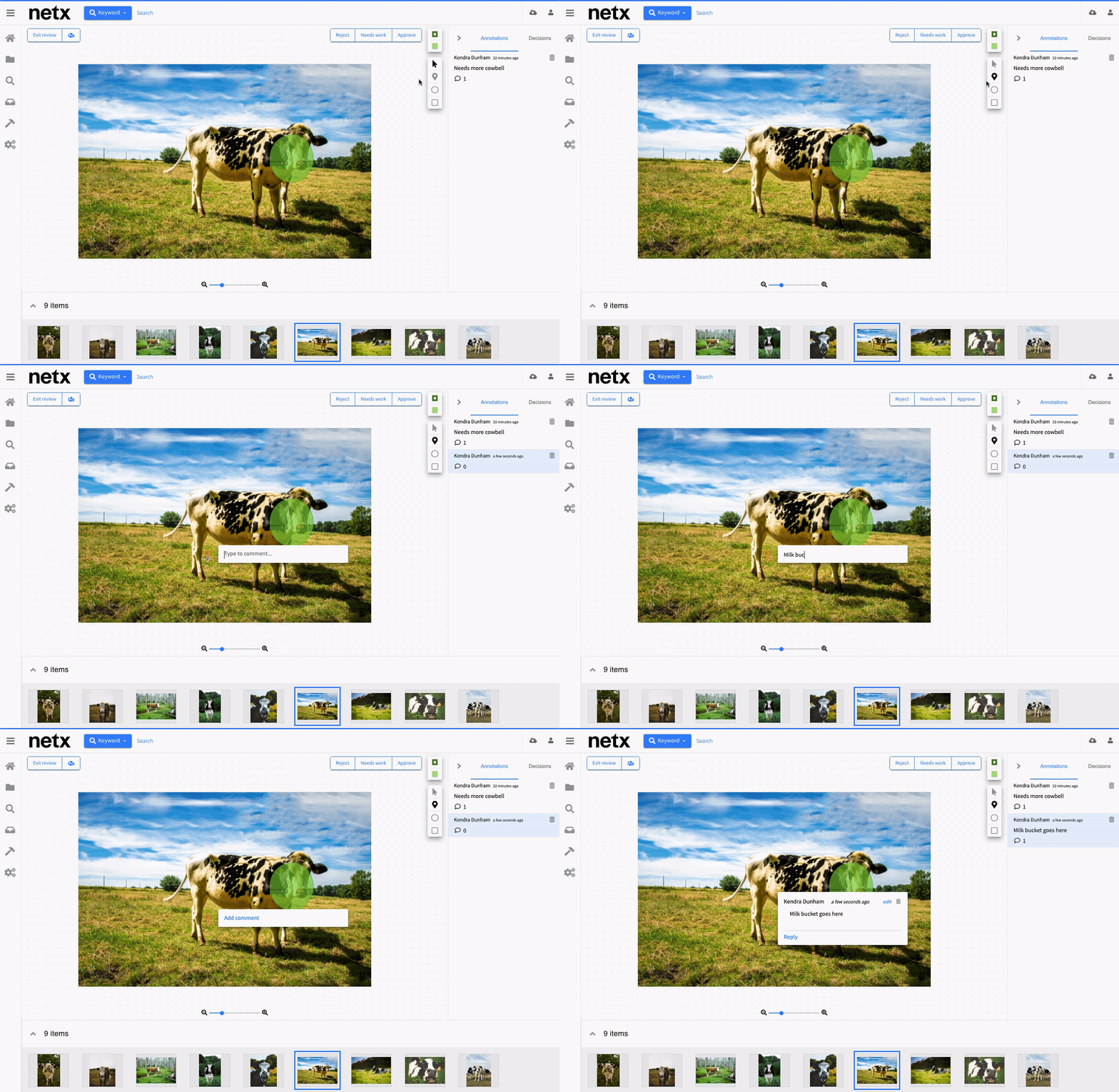
For enterprise teams, collaboration means more than giving people access to the same files. Everyone needs to see the current asset, understand what has changed and know whether it’s ready to use. A designer may upload a campaign image, marketing may request a revision, the product team may confirm the details and legal may approve the final version. Once it’s ready, sales, regional teams, agencies and partners may all need the finished asset.
Without DAM, the file may be stored in one place while feedback and approvals live in email, chat or meeting notes. People can end up reviewing older versions, repeating questions or sharing an asset before it receives final approval.
DAM collaboration tools keep the asset, feedback, versions and approval status together. Reviewers can comment on the file they’re viewing, teams can tell which version is current and agencies or partners can access the approved materials they need. That reduces the back-and-forth and makes each handoff easier to follow.
DAM Helps Enterprise Teams Share Approved Content Externally
What to Look for in DAM Solutions for Enterprise Organizations
When comparing DAM solutions, enterprise teams should look for a platform that can support large asset libraries, distributed teams, brand governance and complex workflows without making content harder to use.
Helpful capabilities include
- Search and metadata tools for brand, product, campaign, region, department, audience, asset type, usage status and approval stage
- Permissions and rights management for licensed assets, partner content, restricted files, approved brand materials and external sharing
- Workflow automation for creative review, approval routing, publishing requests and cross-team asset handoffs
- Version control for logos, templates, sales materials, campaign assets, product files and updated brand content
- Branded portals or secure sharing tools for agencies, partners, media, regional teams, sales teams and external stakeholders
- Integrations with creative, web, ecommerce, marketing, collaboration and enterprise content systems
- Video asset management capabilities for brand video, product demos, event recordings, training materials, executive communications and campaign content
For a real-world example of enterprise DAM in action, read how Daimler Truck North America used NetX to support secure asset access, search and adoption across a large enterprise user base.
Enterprise Digital Asset Management FAQs
What is enterprise digital asset management?
Enterprise digital asset management is a system for organizing, managing, protecting and sharing digital assets across large organizations. Enterprise DAM software helps teams centralize ready-to-use content, improve search, manage permissions, control versions and support workflows across departments, regions and partners.
How is corporate DAM different from basic cloud storage?
Basic cloud storage helps teams save and share files, but it doesn’t always help people understand which assets are approved, current, on-brand or safe to use. Corporate DAM gives your enterprise team more control over the full asset lifecycle, helping them reduce duplicate work, protect brand consistency, manage usage risk, and make approved content easier to find across departments, regions and partners.
What should enterprise organizations look for in DAM solutions?
Enterprise corporations should look for DAM solutions with flexible metadata, strong search, scalable permissions, rights management, workflow automation, version control, integrations, branded portals and support for large asset libraries.
What is the best digital asset management platform for enterprise teams?
The best digital asset management platform for an enterprise team depends on the organization’s content volume, workflows, users, integrations, governance needs and long-term growth plans. Enterprise teams should evaluate DAM software based on how well it supports their real asset lifecycle, from creation and approval to distribution and reuse.
Next Steps for Enterprise Teams Comparing DAM Solutions
For enterprise organizations, digital asset management is about more than keeping files organized. It helps your team protect brand consistency, find approved assets, manage rights and permissions, support collaboration and share trusted content across internal and external workflows.

If your organization is comparing DAM solutions, the Digital Asset Management Buyer’s Guide for Enterprise Teams can help you evaluate the metadata, permissions, workflows, integrations and enterprise DAM software needs that matter most.
When you’re ready to explore what enterprise digital asset management could look like in practice, connect with NetX for a conversation.
Why Manufacturing Teams Need Digital Asset Management
Drupal and Digital Asset Management