
DAM for Libraries
Built for Libraries
Make digital collections easier to find, use, and share.
Library collections extend far beyond books. Digitized manuscripts, photographs, maps, research materials, oral histories, recorded events and born-digital content all require thoughtful organization, description and access.
NetX provides digital asset management for libraries in a searchable, controlled environment. Flexible metadata, permissions, workflows, and integrations help librarians, archivists, researchers and other users locate the materials they need without relying on disconnected folders or institutional memory.
The right library DAM software can support both collection stewardship and everyday use—giving staff greater control over digital materials while making appropriate content more accessible to researchers, patrons and institutional partners.
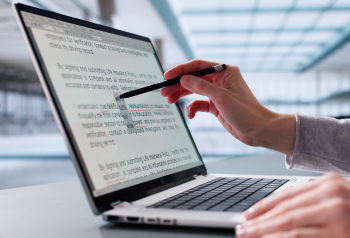
Bring Digitized & Born-Digital Materials Together
Digitization can produce more than a single file. A scanned manuscript may include a high-resolution master, smaller access copies, individual page images, searchable text and supporting documentation. Oral histories and recorded events may include master recordings, edited clips, transcripts, captions and related photographs.
-
A library digital asset management system brings these related materials together and preserves the connections between them. Staff can organize files by collection, associate different versions and formats and maintain the information needed to understand and use each asset.
NetX can work alongside a library catalog, integrated library system, institutional repository, or other collections database. Integrations and an open API allow libraries to exchange selected assets and information with existing systems, reducing repetitive data entry while keeping each platform focused on its intended role.
Strengthen Metadata & Cross-Collection Discovery
Digital materials are only useful when people can find and understand them. Descriptive information such as creator, date, subject, location, collection, and material type gives users context, while rights, technical and administrative information help staff manage each asset appropriately.
Flexible metadata and tagging tools allow libraries to reflect their own collections, terminology and research needs. Controlled vocabularies, embedded metadata and batch editing can improve consistency without forcing every collection into an identical structure.
Staff can search across collections and formats instead of navigating separate folders or depending on someone who remembers where an item is stored. Researchers can locate photographs and recordings related to the same person, place, or event, while filters help them narrow a large result set to the most relevant materials.

Effective library media asset management makes that content easier to explore. Video speech search turns spoken words in audio and video files into searchable text, helping users locate important names, phrases and topics and jump directly to the relevant portion of a recording.
Transcripts, captions, descriptive metadata and time-based information can also give researchers more ways to discover and understand multimedia collections. Human review remains important for names, specialized terminology, historical context and other information automated tools may interpret incorrectly.

Provide Appropriate Access for Staff, Researchers & Patrons
Not every user needs the same files or the same level of access. Collection staff may require original files and complete administrative information. Researchers may need approved materials from a specific collection, while patrons may benefit from a curated selection presented through a public-facing experience.
Permissions and rights management help libraries control who can view, download, edit, or distribute particular materials. Staff can account for copyright, donor agreements, cultural restrictions, privacy concerns and other conditions that affect how an asset may be used.
For content intended to reach a broader audience, branded portals provide focused access to selected collections without exposing the entire DAM. Public or private portals can support research, education, exhibitions and outreach while reducing the number of individual requests library staff must fulfill.
With NetX, we were able to remove multiple barriers and offer the
entire collection directly to our campus partners.
—University of Richmond
Explore Library & Cultural Collection Workflows
Presidential Libraries
Explore how digital asset management can support presidential libraries as they organize photographs, correspondence, audiovisual records and other materials while serving researchers, media organizations and the public.
The National WWII Museum
See how The National WWII Museum uses NetX to help users locate relevant subjects within a collection of more than 5,000 recorded oral histories.
University of Richmond
Learn how the University of Richmond replaced scattered folders and manual image requests with a searchable collection that campus partners can access independently.
Digital Asset Management Services for Libraries
Digital collections management for libraries involves more than installing software. Libraries must decide which materials to migrate, how collections should be described, what information should be exchanged with other systems and which users should have access to particular content.
NetX Professional Services can support migration, digitization, metadata and taxonomy development, system integrations, workflow configuration, portal creation, training and continued optimization. Through NetX DAM+, libraries can combine software, services, and customizations according to the size of their collections, available resources and long-term priorities.