
DAM for Archives
Built for Archives
Make archival collections easier to manage, discover and use.
Archival institutions preserve evidence of people, organizations, events and ideas across generations. Their collections may include historical documents, photographs, maps, audiovisual recordings, and digitized objects alongside email, office files, websites and other materials originally created in digital form.
NetX provides digital asset management for archives by bringing files, descriptive information, relationships, rights, and access controls into a searchable, controlled environment. Archivists can help staff, researchers and other audiences discover relevant materials while maintaining appropriate oversight.
Effective digital asset management for historical collections supports both stewardship and use. It helps organizations with archives maintain the context that makes materials meaningful while reducing the time required to import, describe, locate and deliver digital content.
Bring Historical & Born-Digital Materials Together
Archival collections rarely consist of one file type or format. A digitized document may include a preservation master, individual page images, searchable text, smaller access copies and supporting documentation. An oral history may include an original recording, transcript, captions, clips, photographs and permission agreements.
Born-digital collections introduce additional variety. Documents, email, photographs, video, audio, and other files may arrive from different systems, creators and storage locations. A digital archive management system brings these materials and their descriptive information together while maintaining the connections required to understand them.
NetX can work alongside an archival management system, records management platform, institutional repository or preservation storage environment. Integrations and an open API allow NetX to exchange selected files and information with those systems while each platform remains focused on its intended role.
Manage Large-Scale Imports & Digitization Workflows
Archival teams may need to process years of digitization backlogs, large donations, department transfers, or files scattered across servers, drives and older systems. Moving those materials into a DAM one item at a time can consume staff resources and separate files from the information that gives them meaning.
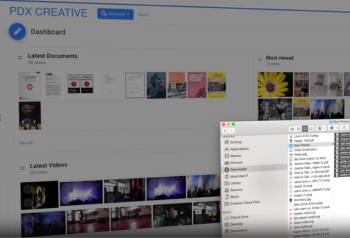
Multiple files can be imported into NetX together for review, description and access.
Archival digital asset management supports the coordinated import of files and descriptive data. Teams can apply shared information across groups of assets, retain metadata already embedded in files and associate related materials during import. Review processes can help identify missing information, confirm file quality and determine which materials are ready for broader access.
Automated workflows can reduce repetitive steps by routing new materials for review, applying standard values and creating smaller access copies when defined conditions are met. Staff can concentrate on organizing and describing collections and making decisions that require human judgment and archival expertise.
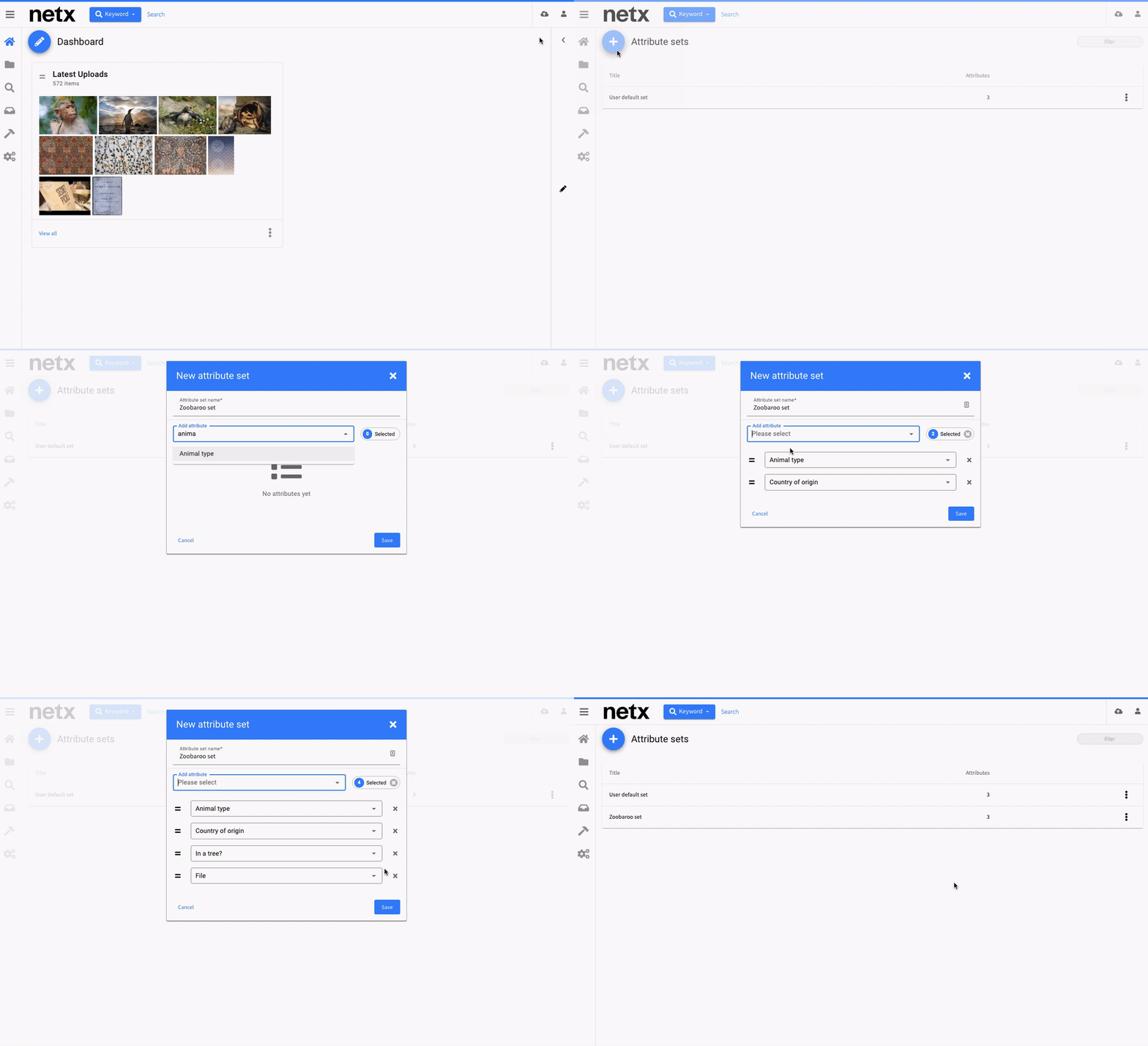
NetX helps archival teams add and update descriptive information across groups of related assets.
Flexible metadata and tagging tools allow archivists to capture information such as collection, series, creator, date, subject, source, format and rights. Controlled vocabularies, embedded metadata and batch editing can improve consistency while allowing different collections to retain the distinctions that matter.
Users can search across collections and formats instead of relying on folder structures or the memory of individual staff members. A photograph, letter and interview associated with the same person or event can be discovered through shared descriptive information even when the materials originated in different collections.
Long-term discoverability depends on maintaining this context as staff, technology and research interests change. For a deeper examination of metadata strategy, see the Metadata Matters executive brief.
Balance Access, Restrictions & Responsible Use
Archival teams must make collections useful without overlooking copyright, donor agreements, privacy, cultural sensitivity, embargoes and other restrictions. Different materials may also require different experiences for archivists, internal staff, visiting researchers or the public.
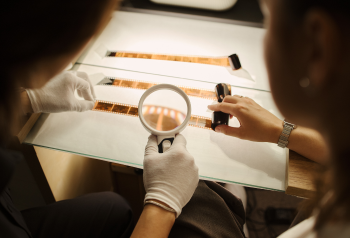
Permissions and rights management help archival teams control who can view, download, edit or distribute particular assets. Download approvals, expiration dates and watermarks can provide additional safeguards for materials that require closer oversight.
For content intended to reach a wider audience, branded portals can present curated collections without exposing the entire DAM. Public or private portals may support research, education, exhibitions, anniversaries and community engagement while reducing the number of individual requests staff must fulfill.
Archivists, legal advisers, and appropriate community stakeholders still determine whether materials should be open, restricted or withheld. The DAM helps apply those decisions consistently.

[NetX’s] solution has opened up our photo archives and day-to-day business in a way that wasn’t possible before.
—Cornell University
Explore Archival Collections in Action
Heritage Werks
Explore how Heritage Werks uses NetX to turn corporate archives into searchable digital experiences that help employees access and engage with their organization’s history.
The National WWII Museum
See how The National WWII Museum uses NetX to help researchers and visitors locate relevant subjects within more than 5,000 recorded oral histories and connect digital media with the museum’s collections information.
The Museum of Modern Art
Learn how MoMA brought together historical and legal documentation, tens of thousands of archival photographs and other digital media while connecting NetX with its collections database.
Digital Asset Management Services for Archives
Archival DAM software must reflect the collection, existing systems, available staff and long-term access goals of each organization. Archival teams may also need help addressing digitization backlogs, legacy storage, inconsistent metadata or materials that require specialized handling.
NetX Professional Services can support planning, data migration, digitization and media conversion, metadata and taxonomy development, content organization, system integrations, workflow configuration, portal creation, training and continued optimization.
Through NetX DAM+, organizations with archives can combine software, services, and customizations according to their collections, technical environment and internal resources. This flexible approach allows them to strengthen digital access and management while retaining responsibility for preservation decisions.