

Why Nonprofits Need Digital Asset Management
Nonprofits do a lot with limited time, limited staff and content that has to work hard.
A photo from a fundraising event might later support a donor email, annual report, grant application, social post or press request. A program video might help explain impact to a board member, community partner or future supporter. A campaign logo, report graphic or volunteer image may need to be shared quickly, but only if it’s current, approved and appropriate to use.
The challenge isn’t a lack of content; it’s finding the right content when your team needs it.
When staff spend hours looking for nonprofit assets on shared drives, inboxes, cloud folders and personal desktops, they lose valuable time not only searching, but also confirming permissions and recreating materials that already exist.
That’s where digital asset management can help.
Quick Answer: How Does DAM Help Nonprofits?
Digital asset management helps nonprofits store, search, control and share approved digital assets in one searchable system.
A DAM system helps nonprofit teams manage campaign photography, donor materials, event content, brand assets, reports, video, volunteer images and other mission-driven content.
For nonprofits balancing staff time, brand consistency, sensitive media, and budget realities, DAM solutions can make approved assets easier to find, protect and reuse.
Nonprofit Content Has to Serve a Mission
Nonprofit content isn’t just decoration. It explains your work, builds trust, supports fundraising and shows the impact of your mission.

That means each asset carries responsibility. A photo may represent a person your organization serves. A video may tell a sensitive story. A donor report may need to reflect current program data. A campaign graphic may need to match approved messaging and brand standards.
When your teams can’t find the right materials, work slows down. Staff spend time searching instead of communicating. Volunteers might use outdated files. Development teams may wait on images for a grant or appeal. Communications teams end up recreating assets because they can’t tell what already exists.
Digital asset management gives your nonprofit a more reliable way to keep mission-critical content searchable, current and ready to use.
Shared Drives Make Nonprofit Assets Harder to Trust
Shared drives and cloud folders can store files, but they don’t always help your team understand what those files are, where they came from or how they should be used.
A file name can’t tell your team whether an image is approved for public use. A folder path may not explain which campaign a graphic belongs to. A copied file can’t show your staff if it’s the latest version.
Over time, so much uncertainty creates extra work. Staff ask around. Teams search old folders. Someone uses a file because it’s the easiest one to find, not because it’s the right one.

A digital asset management system adds structure beyond storage. Your nonprofit team can find approved content faster and use it with more confidence when it’s connected to metadata, permissions, version control and search tools.
Sensitive Media Needs More Than Basic Storage
Many nonprofits work with photos, interviews and stories from people who have trusted the organization with personal or vulnerable experiences.
That makes asset management an ethical issue, not just an operational one.
Your nonprofit might need to track consent forms, usage restrictions, expiration dates, rights information and approval status. Staff may also need to limit who can view, download or share certain files.
DAM solutions keep that information connected to the asset record. Instead of storing consent documentation in one place and photos in another, your team can manage media with more context and control.
For nonprofits, that context and control support responsible storytelling and better protection for the people whose stories are being shared.
Brand Consistency Helps Build Donor Confidence
Your nonprofit brand is more than a logo. It’s part of how donors, funders, volunteers and community partners understand your organization.
When outdated logos, old templates or off-brand images keep circulating, that inconsistency can make your organization look less coordinated than it really is.
Digital asset management helps your team find current, approved brand assets from one searchable library. Your staff, volunteers, board members and partners can access the materials they need without relying on old attachments or copied folders.
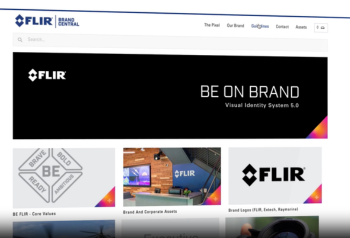
That makes brand consistency easier to maintain, especially when so many people are helping communicate the mission.
Free Digital Asset Management Tools Can Only Go So Far
It makes sense for your nonprofit to look for free digital asset management options first. Budgets are real, and no organization wants to spend money on software it doesn’t need.
Free tools may work when your asset library is small, your team is centralized and your content doesn’t carry much risk around permissions, rights or consent.
But as content grows, free tools become limiting. They may not offer strong metadata, advanced search, rights tracking, granular permissions, branded sharing or the ability to scale with more users and assets.
Affordable digital asset management doesn’t mean choosing the cheapest option. It means choosing a platform that fits your budget while solving the problems that are costing your team time, consistency and control.
What to Look for in Affordable Digital Asset Management
If your nonprofit is comparing DAM solutions, look for capabilities that match the way your team actually works.
Helpful DAM capabilities for your nonprofit include
- Searchable metadata for programs, campaigns, events, audiences, locations and usage rights
- Permissions and access controls for staff, volunteers, board members, partners, media contacts and outside users
- Rights management for consent forms, usage restrictions, expiration dates and approved use cases
- Version control so teams can identify current files and avoid outdated materials
- Secure sharing tools for sending approved assets without opening the full library
- Branded portals for sharing curated content with donors, media, partners or campaign teams
- Support for large and varied file types, including high-resolution photos, video, reports, campaign files, brand assets and other nonprofit content
- Workflow tools for review, approval and content requests
The right DAM solution should help your nonprofit spend less time searching, reduce risk around sensitive content and make approved assets easier to use across mission-driven work.
Digital Asset Management for Nonprofits FAQs
What is digital asset management for nonprofits?
Digital asset management for nonprofits is the process of storing, searching, controlling, and sharing approved digital assets such as photos, video, reports, campaign materials, brand assets, donor content and program files in a DAM system.
Why do nonprofits need DAM?
Nonprofits need DAM because their content often supports fundraising, communications, grants, programs, events and public outreach. DAM helps your team find approved assets faster, protect sensitive media, maintain brand consistency and share content responsibly.
Is free digital asset management enough for nonprofits?
Free digital asset management tools may work for small teams with simple storage needs. As your nonprofit’s content library grows, free tools can make it harder to control access, track consent, confirm approved files and share assets with the right people.
What is affordable digital asset management?
Affordable digital asset management is a DAM solution that makes assets easy to find, safe to share, and practical for your staff, volunteers and partners to use. The best fit should support your everyday content workflows without requiring a large technical team.
How does DAM help nonprofits protect sensitive media?
DAM helps your nonprofit protect sensitive media by connecting assets to consent details, rights information, access permissions and approval status. That helps your team understand who can use an asset, where it can be shared and when restrictions apply.
What should nonprofits look for in DAM solutions?
Nonprofits should look for DAM solutions with strong search, metadata, permissions, rights management, secure sharing, branded portals, version control and support for the types of content your team uses every day.
Next Steps for Nonprofits Comparing DAM Solutions
For nonprofits, digital asset management is about more than keeping files organized. It’s about helping your team find the right content, protect the people represented in that content and communicate the mission with more confidence.

If your organization is comparing DAM solutions, the Digital Asset Management Buyer’s Guide for Nonprofit Organizations can help you evaluate the features, workflows and affordable DAM capabilities that matter most.
Want to see how NetX can support your nonprofit’s content workflows? Schedule a personalized demo.

NetX Customers: DAM Solutions for Smarter Content Management

Why Enterprise Organizations Need DAM