

Every collection carries more than what appears on the surface.
A photograph may hold the record of an event. A scanned letter may carry the voice of a community. A performance recording may preserve a moment that can never happen the same way again. A museum object may connect to research, conservation notes, donor records, exhibition history and public interpretation.
For galleries, libraries, archives, and museums—also known as GLAM organizations—digital assets are part of how cultural memory is preserved, studied and shared.
But as collections become more digital, the work of managing them becomes more complex. Institutions need to protect original files while preserving the context, rights information and research value that make selected materials appropriate to share.
That’s why GLAM digital asset management isn’t just a technology decision. It’s part of a larger work of stewardship.
Quick Answer: What Is GLAM Digital Asset Management?
GLAM digital asset management helps galleries, libraries, archives and museums manage digital collections, metadata, rights information, media files and public access workflows in one searchable digital asset library.
For cultural institutions, a DAM is not just a place to store files. It helps teams keep digital assets connected to collection records, preserve institutional context, manage access and make approved materials easier to find and share.
For institutions balancing preservation, research, education and public engagement, DAM solutions can support both internal collection work and external access.
Digital Collections Need to Stay Connected to Collection Records
For GLAM organizations, digital assets often need to connect back to collection records, object data, rights information and other institutional systems. A high-resolution image may be useful on its own, but it becomes more valuable when your team can see the object record, metadata and related materials behind it.
That is why integration with collection management systems matters. When a DAM can connect with the systems your team already uses to manage collections, digital assets stay easier to search, govern and reuse.
Instead of managing collection records in one place and digital files in another, your team can create a more useful digital asset library where images, media and archival materials remain tied to the context that gives them meaning.
Why Shared Folders Cannot Preserve Institutional Knowledge
Shared folders can tell you where a file was saved. But they can’t reliably tell you why the file matters. For museums and archives, that distinction is important.
Your staff might need to know whether an image is approved for publication, which object record it belongs to, what rights restrictions apply, which exhibition used it or how it connected to related materials. When that information lives in separate spreadsheets, emails, file names, or individual memory, the collection becomes harder to manage.
The risk is not just wasted time—it’s lost context.
DAM for museums and archives gives your institution a more structured way to protect both the file and the information that makes the file meaningful.
Metadata Is the Foundation of Discovery
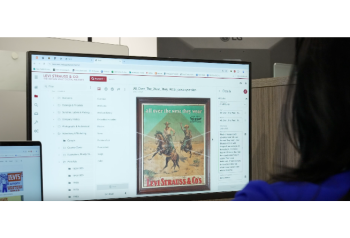
Metadata is often treated like administrative work, but in GLAM environments, it’s part of preservation.
Good metadata helps your team describe what an asset is, where it came from, how it can be used and how it connects to the rest of the collection. It supports research, rights management, public access, internal workflows and long-term digital collections management.
Metadata management for archives and museums also makes search more human. People don’t always know the exact filename or accession number. But they might remember a place, a year, a person, an event, an exhibition or a theme.
The more context your institution preserves, the easier it becomes for your staff, researchers and approved users to find relevant materials later. That means teams spend less time interpreting file names and more time connecting people with the materials they need.
As AI-supported search becomes more common, preserved context becomes even more important. AI can help your team enrich metadata and surface related materials faster, but in GLAM environments, discovery is most useful when it’s grounded in trusted collection records, rights information and institutional context. Tools like NetX AuthorityAI™ build on that foundation by connecting context across sources so users can explore archival content with more confidence.
Media Asset Management Supports Modern Cultural Work
GLAM organizations are no longer managing only static images and documents.
Collections may include oral histories, recorded performances, exhibition videos, born-digital art, 3D scans, documentary footage, educational materials and social content. Each format brings its own needs around storage, access, rights, preservation and reuse.
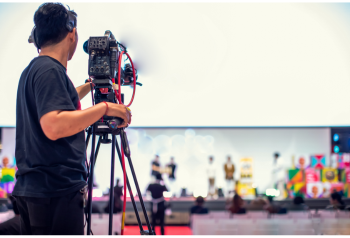
Media asset management helps your institution handle those materials without separating them from the larger collection story. Your team can manage high-resolution files, create usable versions, track permissions and make media easier to search and share.
For institutions balancing preservation with access, that flexibility helps your team reuse media responsibly while keeping assets connected to the collection records and rights information that give them meaning.
DAM for Galleries & Museums Can Support Public Access
Many cultural institutions are expanding how people encounter their collections.
That might happen through online exhibitions, digital catalogs, educational resources, media kits, research portals or public-facing collection experiences. In each case, your institution has to decide which assets should be shared, what context should travel with them and what restrictions still apply.
DAM for galleries and museums can help your team share selected materials without opening the entire digital asset library. Branded portals and permission controls make it easier to provide access for educators, researchers, media contacts, partners or the public.
For institutions sharing image-based collections, standards like IIIF can also support interoperability by helping digital images and related data work across viewers, repositories and public access experiences.
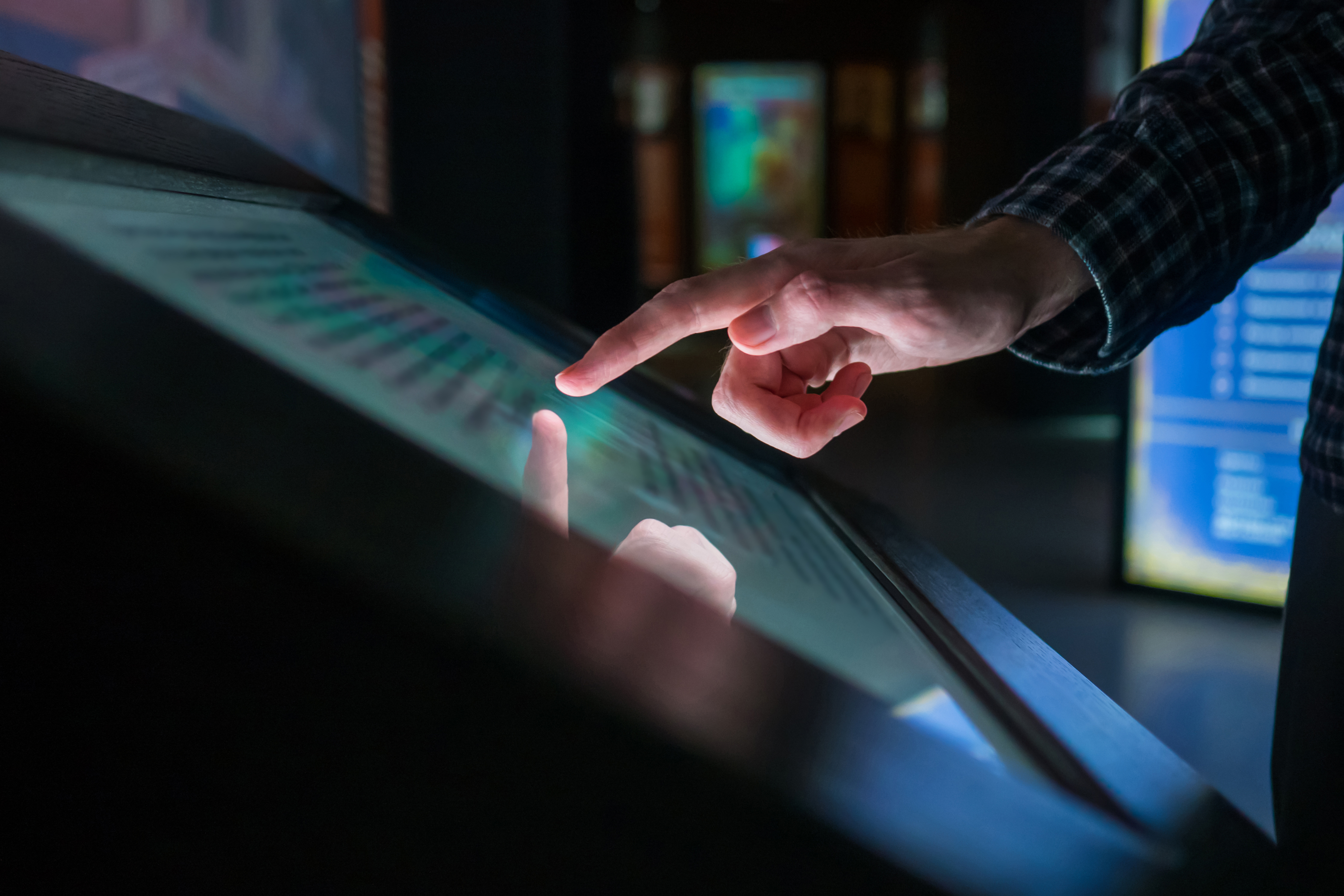
The goal isn’t to simply put more content online. It’s to make collection materials accessible in ways that are accurate, appropriate and aligned with your institution’s mission.
What Should GLAM Organizations Look for in DAM Solutions?
Choosing DAM solutions for GLAM work means asking different questions than a typical business might ask.
Important DAM capabilities for galleries, libraries, archives and museums include
- Collections management system integration for connecting assets with object records and institutional data
- Metadata management for archives, museums and digital collections
- Rights management for usage restrictions, donor terms, publication limits and access rules
- Media asset management for oral histories, recorded performances, exhibition videos, 3D scans and born-digital materials
- Permissions and portals for researchers, educators, media contacts, partners and public users
- Support for standards like IIIF when image interoperability and public access are priorities
- AI-ready metadata and trusted context for more useful discovery
- Scalability for large digital collections, long-term preservation and growing access needs
The right digital asset management system should help your institution preserve context, improve discovery and share collection materials in ways that are accurate, appropriate and aligned with your mission.
GLAM Digital Asset Management FAQs
What does GLAM mean?
GLAM stands for galleries, libraries, archives and museums. These institutions often manage cultural, historical, artistic, or research collections that require strong metadata, preservation workflows, rights management and public access controls.
What is GLAM digital asset management?
GLAM digital asset management is the process of storing, searching, governing and sharing digital collection materials in a DAM system. It can include images, documents, audio files, video, oral histories, exhibition materials, born-digital files and other media connected to cultural collections.
How does DAM support digital asset management for museums?
DAM for museums helps teams connect digital assets with collection records, metadata, rights information and exhibition workflows. That makes museum assets easier to search, manage, share and preserve over time.
How does DAM support digital asset management for archives?
Digital asset management for archives helps preserve context around archival materials. A DAM can keep files connected to metadata, rights information, access restrictions and related records so staff and researchers can find and understand materials more easily.
What is metadata management for archives?
Metadata management for archives is the process of describing materials consistently so they can be found, understood and preserved. Metadata may include creator, date, subject, location, rights status, collection, format, relationships and access information.
How can DAM help with digital collections management?
DAM supports digital collections management by helping institutions organize digital assets, connect them with collection context, manage access and share selected materials through portals or public-facing experiences.
Next Steps for GLAM Organizations Comparing DAM Solutions
For galleries, libraries, archives and museums, digital asset management is about more than storing files. It’s about preserving context, improving discovery and making collection materials easier to manage, govern and share over time.
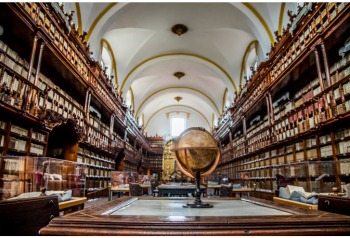
If your institution is comparing DAM solutions, the Digital Asset Management Buyer’s Guide for Galleries, Libraries, Archives & Museums can help your team evaluate the features, workflows and collection asset management capabilities that matter most.
Want to see how NetX supports GLAM digital asset management? Schedule a personalized demo.
Museum Digital Asset Management …and CMS
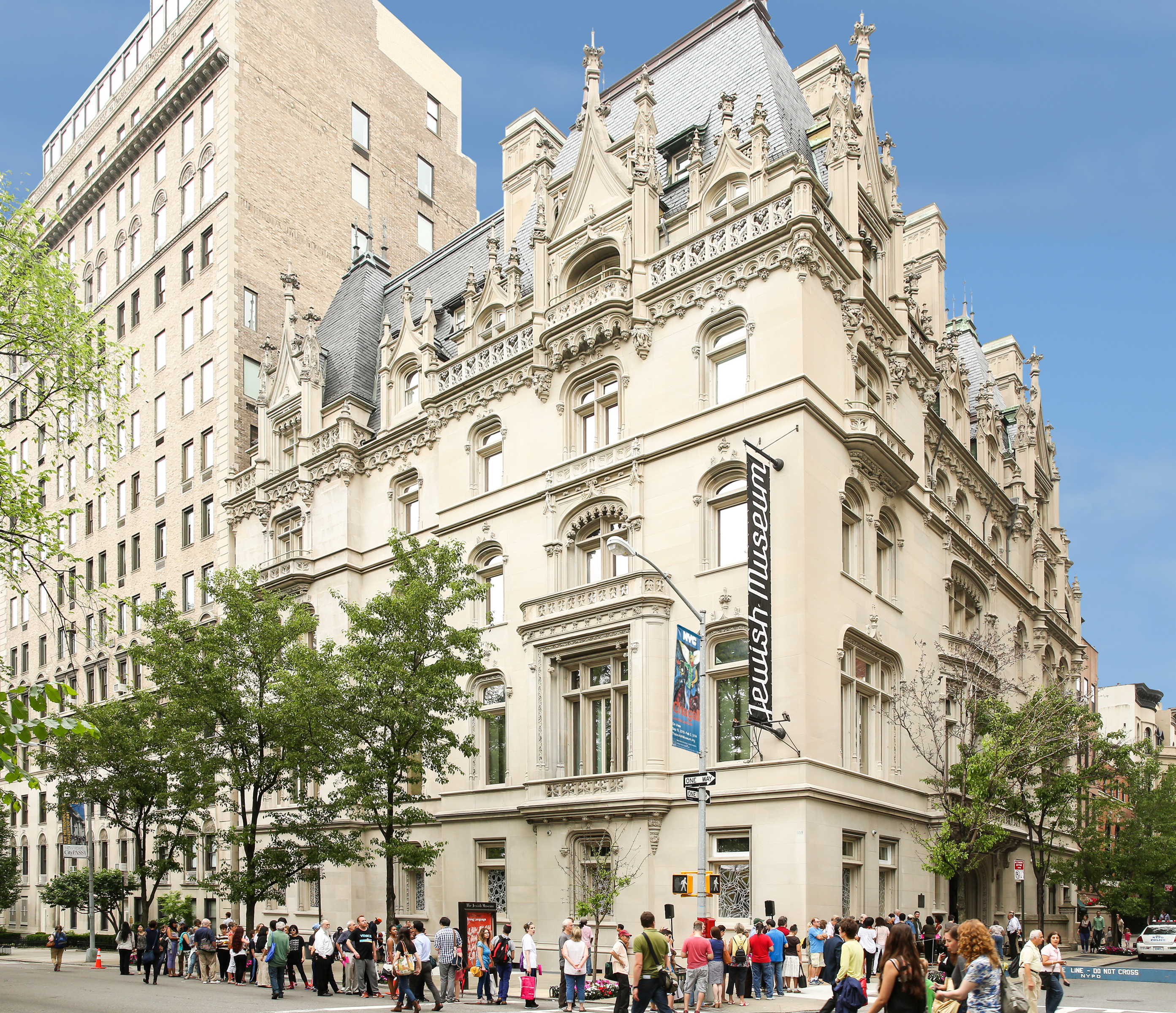
How the Jewish Museum manages rights for rotating exhibitions with DAM