

Why Foundations Need Digital Asset Management
Foundations manage content that carries real mission, reputational and operational value. Photos from site visits, grantee videos, campaign assets, donor materials, board presentations, impact reports and public-facing stories all need to be organized, approved and shared with care.
The challenge is not just volume—it’s context.
A single image might connect to a grant portfolio, program area, grantee organization, geographic region, consent status and campaign. Without a structured digital asset management system, it becomes harder for teams to find the right assets, confirm whether an asset is approved and share it with the right audience.
Foundations need a better way to manage content as it moves across programs, campaigns, stakeholders and public-facing channels. The right nonprofit digital asset management solution helps your team keep approved assets organized, protect sensitive materials, manage rights and consent and share content more efficiently across the organization.
Quick Answer: Why Do Foundations Need Digital Asset Management?
Foundations need DAM because their digital assets support grantmaking, communications, donor engagement, reporting and public storytelling. A digital asset management platform gives foundations a central place to organize approved content, manage rights and consent, control access and share assets securely with internal teams, grantees, media partners and other stakeholders.
Without a DAM, foundation content can become scattered across shared drives, inboxes, and individual devices. That makes it harder to find the right assets, confirm usage permissions and maintain consistency across programs and campaigns.
Foundation Content Has More Context Than Basic File Storage Can Handle
Foundation content is rarely just a file. A site visit photo may support a grantee story, an annual report, a donor update and a future campaign. A video clip may have usage restrictions based on consent, geography, audience or timing. A campaign asset may need approval from communications, program leadership and legal before it can be published.

That’s where nonprofit digital asset management becomes important. A DAM gives your foundation a structured way to connect assets with the metadata, permissions and approval details that make content trustworthy and easy to reuse.
Where Free Digital Asset Management Tools Fall Short
Free digital asset management tools can be useful for foundations that only need a simple way to organize a small asset library. They may help teams move beyond scattered folders by adding basic tagging, search or file-sharing capabilities.

But as content programs grow, free DAM tools often make it harder for your foundation to maintain control over how assets are used. Your team may struggle to confirm whether an image is approved for public use or limit access to sensitive materials. It can also be harder to route content for review and share curated assets with grantees, media partners and board stakeholders.
As your foundation manages more grantee content, campaign assets, donor materials and public-facing stories, DAM for nonprofits becomes less about basic organization and more about governance, access control and long-term usability.
DAM Helps Foundations Manage Rights, Consent & Sensitive Content
Foundations often use content that requires careful handling. Images, videos and interviews may involve grantees, community members, event participants, photographers, or partner organizations, each with different permissions and usage expectations.
A DAM helps your team see rights and consent information before an asset is used. Instead of relying on separate folders, spreadsheets or memory, your team can connect usage restrictions, expiration dates, releases and approval status directly to the asset.
That visibility helps reduce risk when content decisions happen quickly. Before an image is added to a campaign, report or partner request, your team can confirm whether it’s approved for the intended use.
DAM Supports Grant Portfolios & Program Storytelling
Foundation content also needs to reflect the way your organization tells its impact story. Your team may need to find assets by focus area, initiative, grantee, region, grant cycle, campaign or audience.

A DAM solution gives your foundation more flexible ways to organize and search those relationships. Instead of choosing one folder path, your team can connect the same asset to multiple programs, campaigns or reporting needs.
That flexibility makes content easier to reuse across annual reports, donor updates, board materials, grantee stories and public campaigns. It helps your team spend less time searching and more time turning approved assets into useful storytelling.
DAM Makes Internal Collaboration Easier Across Foundation Teams
Foundation content usually serves more than one department. Communications, program teams, legal, operations, leadership, board stakeholders, grantees and external partners may all need access to different assets for different reasons.
Without a DAM, your team often relies on manual file requests, email attachments or one-off shared links. That creates extra work and makes it harder to control which assets are being used.
A DAM for nonprofits gives each group access to the content they need while protecting the broader library. Internal teams can search for approved assets, external partners can access curated collections and sensitive materials can remain restricted.
DAM Solutions Help Foundations Share Approved Content Externally
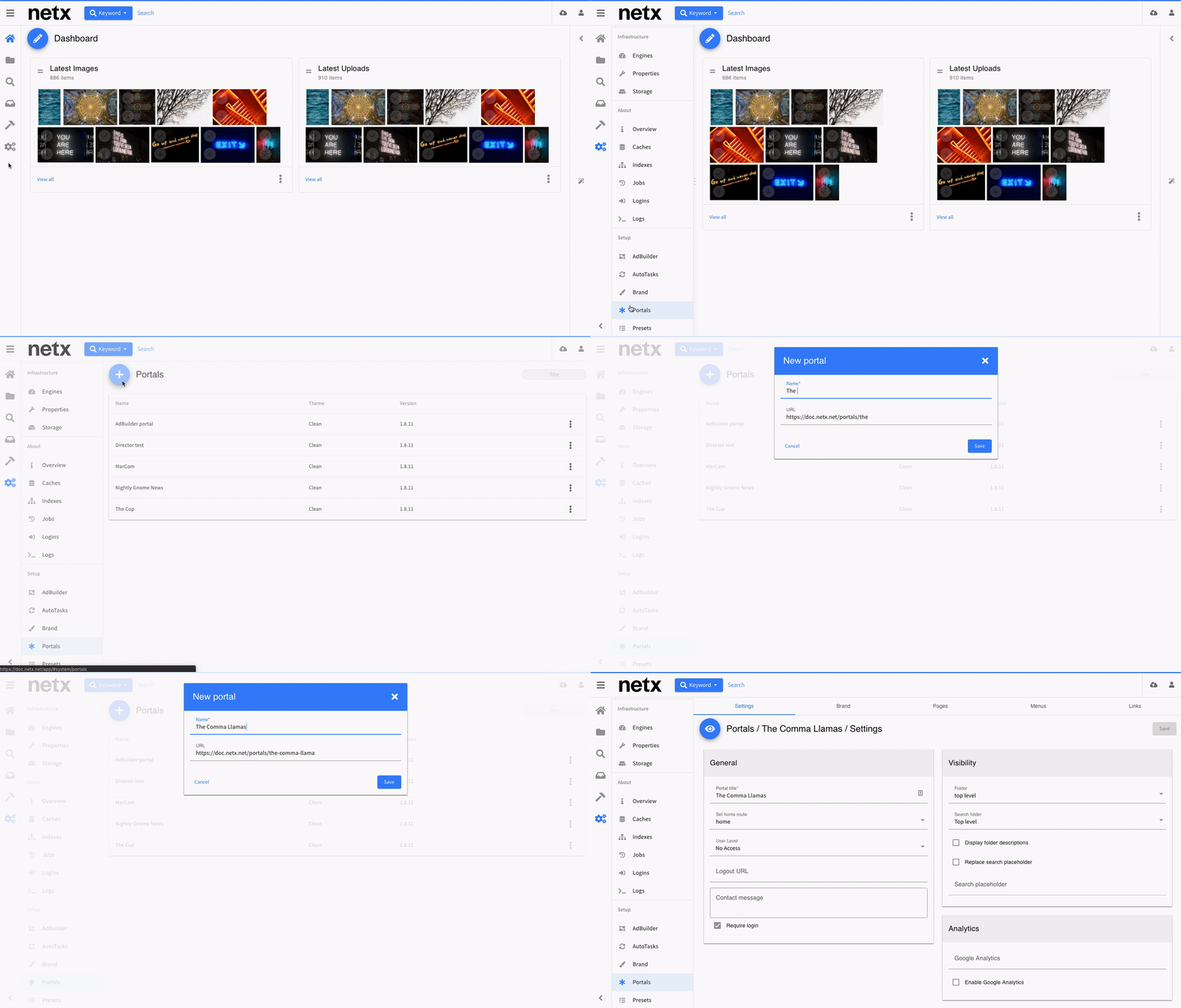
Foundations regularly need to share content with audiences outside the organization. That might include grantees, media partners, agencies, co-funders, community partners, trustees or public audiences.
Branded portals can make that sharing more organized and controlled. Instead of sending files manually, your foundation can create curated collections of approved content for specific audiences.
A media portal might include press images and official logos. A grantee portal might include co-branded materials and program resources. A trustee portal might include board-facing assets and reporting materials. Each portal gives users access to what they need without opening the full asset library.
What to Look for in DAM Solutions for Foundations
When comparing DAM solutions, foundations should look for a platform that can support mission-driven content, grant-related assets, and external collaboration while maintaining clear structure, rights visibility and access control.
Helpful capabilities include
- Search and metadata tools for program area, grant portfolio, grantee, region, fiscal year, campaign, event, photographer and usage status
- Permissions and rights management for consent-sensitive imagery, partner content, restricted-use assets, donor materials and approved public-facing content
- Workflow automation for review, approval, routing and publishing requests across communications, program, legal and leadership teams
- Version control for brand assets, campaign materials, reports, presentation files and updated partner resources
- Branded portals or secure sharing tools for grantees, media partners, co-funders, board members, agencies and community partners
- Integrations with creative, web, content management, collaboration, grants management and communication tools
- Video asset management capabilities for grantee stories, event recordings, interviews, campaign videos, donor updates and impact storytelling
Digital Asset Management for Foundations FAQs
What is digital asset management for foundations?
Digital asset management for foundations is a system for organizing, managing, protecting and sharing digital content used across grantmaking, communications, donor engagement, events and public reporting. A DAM helps your foundation centralize approved assets, improve search, manage permissions and track rights or consent information.
Why do foundations need digital asset management?
Foundations need digital asset management because their content is often spread across programs, teams, grantees, campaigns and external partners. A DAM helps your team find approved assets faster, reduce duplicate work, protect sensitive content and support more consistent storytelling.
Is free digital asset management enough for nonprofits?
Free digital asset management tools may work for small nonprofits with basic storage needs, but they often lack advanced metadata, permissions, approval workflows, branded portals and rights management. As content libraries grow, many nonprofits and foundations need more scalable DAM solutions.
What should foundations look for in DAM solutions?
Foundations should look for DAM solutions with flexible metadata, strong search, rights and consent tracking, role-based access controls, approval workflows, branded portals, integrations and support for long-term scalability.
How does DAM help foundations manage rights and consent?
A DAM can help foundations attach consent forms, track usage restrictions, set expiration dates, limit downloads and make rights information visible before an asset is used. This helps teams share content more confidently and reduce the risk of using restricted assets incorrectly.
Next Steps for Foundations Comparing DAM Solutions
For foundations, digital asset management is about more than keeping files organized. It helps your team protect mission-driven content, find approved grant and program assets, and share trusted materials across communications, donor, board, grantee and partner workflows.
If your organization is comparing DAM solutions, the Digital Asset Management for Foundations Buyer’s Guide can help you evaluate the metadata, permissions, rights management, workflow and nonprofit digital asset management needs that matter most.
When you’re ready to explore what a foundation DAM could look like in practice, connect with NetX for a conversation.

Why Enterprise Organizations Need DAM

Why Fashion Brands Need Digital Asset Management