

Unlocking the Power of Digital Asset Management for Galleries, Libraries, Archives, and Museums
Cultural institutions face a unique challenge: preserving and sharing humanity's collective memory while making it accessible to global audiences. As collections grow increasingly digital, the tools used to manage these assets become just as critical as the artifacts themselves. Museum digital asset management systems have emerged as essential infrastructure for galleries, libraries, archives, and museums seeking to organize, protect, and share their collections effectively.
What is digital asset management?
Digital asset management is the systematic process of organizing, storing, retrieving, and distributing digital files throughout their entire lifecycle. For cultural institutions, this means creating a centralized system where digitized collections, born-digital materials, and multimedia resources can be efficiently managed and accessed by staff, researchers, and the public.
A DAM solution is both a business process and a technology platform. It provides a structured approach to managing digital content while offering the technical capabilities needed to store, search, and share assets at scale. Modern DAM systems serve as the operational backbone for institutions managing everything from high-resolution scans of manuscripts to 3D models of artifacts.
Digital asset management defined
Digital asset management refers to the complete workflow of handling digital files that hold value for an organization. In the context of cultural institutions, this encompasses not just the storage of files, but also the preservation of metadata, the enforcement of access controls, and the long-term sustainability of digital collections.
The distinction between asset management and digital asset management is significant. While traditional asset management focuses on physical objects and their locations, digital asset management addresses the unique challenges of born-digital and digitized materials, including version control, format migration, and digital preservation standards.
What is considered a digital asset?
For cultural institutions, digital assets encompass a wide spectrum of file types, each requiring specialized handling:
Visual materials: High-resolution photographs, digitized paintings, manuscript scans, architectural drawings, maps, and exhibition documentation in formats like TIFF, JPEG, RAW, and PNG.
Moving images and audio: Oral history recordings, documentary footage, performance videos, and born-digital audiovisual works in formats such as MP4, MOV, WAV, and FLAC.
Documents and texts: Digitized books, archival records, research publications, finding aids, and catalog records in PDF, DOCX, TEI XML, and other text-based formats.
Three-dimensional content: 3D scans of objects, photogrammetric models, and virtual reality experiences stored as OBJ, STL, GLB, or proprietary formats.
Database records: Catalog entries, provenance documentation, conservation reports, and visitor data that provide essential context for physical and digital collections.
What distinguishes these files as assets is their inherent value to the institution's mission. A digital asset isn't simply a file. It's a resource that requires active management, carries intellectual property considerations, and serves educational, research, or preservation purposes.
Importance of Digital Assets in Cultural Institutions
Museum digital asset management for galleries and museums
Galleries and museums operate at the intersection of preservation, education, and public engagement. Museum digital asset management enables these institutions to fulfill their missions more effectively by creating searchable repositories of collection materials that support multiple use cases simultaneously.
Museum collection management extends far beyond simple inventory control. DAM systems allow institutions to link high-resolution images to object records, track conservation documentation, manage rights and reproductions, and create derivative files optimized for different distribution channels. A single object might generate dozens of related digital assets, including exhibition photographs, condition reports, scholarly images, educational materials, and social media content, all requiring organization and governance.
The ability to reuse and repurpose assets becomes particularly valuable as institutions seek to maximize their digital investments. A digitized painting can serve scholarly research, appear in virtual exhibitions, feature in educational programs, and generate revenue through image licensing, but only if the institution can efficiently locate, access, and distribute the appropriate files.
Managing multimedia and time-based content
DAM systems must address the specific requirements of audiovisual materials. For cultural institutions, this includes managing oral histories, performance documentation, documentary films, and born-digital artworks that exist primarily as video or audio files.
Video and audio files introduce additional complexity compared to static images. File sizes are substantially larger, requiring robust storage infrastructure. Multiple formats and resolutions must be maintained for preservation, access, and distribution purposes. Time-based content also requires detailed metadata describing not just the content as a whole, but specific moments, speakers, or events within longer recordings.
As institutions expand their digital programming through virtual exhibitions, online performances, and streaming content, managing these multimedia assets becomes increasingly central to operations. The system must support workflows from initial capture or acquisition through long-term preservation while enabling efficient discovery and playback.
Understanding data asset management
Data asset management focuses on the structured information that provides context and meaning to digital collections. For cultural institutions, this includes catalog records, authority files, linked data relationships, and the metadata schemas that make collections discoverable and useful.
A data asset is any structured information that holds value for the institution's operations or mission. Collection databases, controlled vocabularies, geographic information tied to objects, and provenance documentation all qualify as data assets requiring active management.
These data assets power search and discovery systems, support scholarly research, enable cross-collection connections, ensure compliance with metadata standards, and facilitate data sharing with aggregators and research platforms. Effective data asset management ensures that the information describing collections remains as accessible and well-maintained as the digital objects themselves.
Not sure what to look for in a DAM platform? Download the DAM Buying Checklist for Cultural Institutions to evaluate your options with confidence.
Key Components of a Digital Asset Management System
Asset lifecycle management
IT asset lifecycle management in cultural institutions encompasses the entire journey of a digital file, from creation or acquisition through active use, eventual archiving, and potential deaccessioning. Each stage requires different system capabilities and institutional policies.
Creation and acquisition: Assets enter the system through digitization projects, born-digital acquisitions, or institutional documentation. The DAM system must support batch uploading, automatically extract technical metadata, and initiate workflows for quality control and cataloging.
Active management: During their active lifespan, assets require version control, derivative file generation, metadata enrichment, and rights management. The system tracks who accesses files, monitors usage rights, and enforces expiration dates for temporary permissions.
Long-term preservation: Digital preservation represents one of the most critical aspects of asset lifecycle management for cultural institutions. The DAM system must support format migration, fixity checking, backup verification, and adherence to preservation standards like OAIS (Open Archival Information System).
Retirement and archiving: Even digital assets eventually reach the end of their active use. The system should facilitate decisions about retention, migration to dark archives, or controlled deletion while maintaining audit trails and provenance documentation.
Digital asset library vs. traditional libraries
The concept of an asset library in the digital realm differs significantly from traditional library operations, even as both share fundamental goals around organization, preservation, and access.
A traditional library organizes physical items using established cataloging standards, controlled physical access, and item-level circulation. A digital asset library extends these principles to born-digital and digitized materials, but introduces new considerations around file formats, technical dependencies, and the ability to provide simultaneous access to unlimited users.
Library digital resources increasingly include digitized special collections, born-digital archives, multimedia materials, and data sets that traditional library systems weren't designed to manage. DAM systems complement traditional integrated library systems by providing specialized capabilities for managing these complex digital materials while maintaining connections to bibliographic records.
The convergence of library, archive, and museum practices in the digital realm has led many institutions to adopt DAM systems that can handle diverse material types and support multiple metadata standards simultaneously.
Managing multimedia content
DAM systems specifically address the challenges of time-based and multimedia content. For cultural institutions, this means managing video documentation, audio recordings, and born-digital artworks that exist primarily as audiovisual files.
In practice, this means specialized capabilities focused on the unique requirements of audiovisual materials, including video transcoding, proxy file generation for editing, time-based metadata, and streaming delivery. These workflows coordinate processes from capture through post-production, archive, and distribution.
The integration of multimedia management capabilities within broader DAM platforms allows institutions to manage all collection materials through a unified interface rather than maintaining separate systems for different content types.
How to organize digital assets
Digital asset organization requires balancing multiple access points and organizational schemes to serve diverse user needs. Effective strategies include:
Hierarchical folder structures: While folder-based organization provides familiar navigation, over-reliance on rigid hierarchies can limit discoverability. Most DAM systems supplement folders with more flexible organizational methods.
Metadata-driven classification: Rich metadata allows users to find assets through multiple pathways, including by subject, creator, date, format, project, rights status, or any other relevant attribute. Controlled vocabularies and standardized metadata schemas improve consistency and discoverability.
Tagging and keyword indexing: Both manual tagging and AI-powered auto-tagging enable flexible categorization that crosses traditional hierarchical boundaries. Tags can describe content, context, conservation status, or any other relevant characteristic.
Collection-based grouping: Organizing assets by collection, acquisition group, or project aligns with institutional structures while maintaining connections between related materials.
The most effective digital asset organization strategies employ multiple complementary approaches, allowing different users to navigate collections according to their specific needs and mental models.
Best Practices for Implementing DAM in Cultural Institutions
Selecting the right museum collection management software
Selecting the right museum collection management software is really about identifying the platform that best aligns with an institution's current workflows, technical infrastructure, and strategic goals while providing room for growth.
Cultural institutions should evaluate DAM platforms based on several key criteria:
Metadata flexibility: Can the system accommodate specialized metadata schemas like Dublin Core, MODS, VRA Core, or institutional custom fields? Does it support linked data and controlled vocabularies?
Integration capabilities: Will the system work with existing collection management platforms, digital exhibition tools, and web content management systems? Are robust APIs available for custom integrations?
Preservation compliance: Does the platform support digital preservation best practices, including format validation, fixity checking, and adherence to archival standards?
Rights management: Can the system track complex copyright statuses, usage restrictions, and reproduction permissions at granular levels?
Scalability: Will the infrastructure support growing collections and user bases without performance degradation? What are the long-term storage and licensing costs?
User experience: Is the interface intuitive for staff with varying technical skills? Can external researchers and the public access materials through appropriate portals?
Ready to start evaluating vendors? The DAM Buying Checklist covers every criteria above and more. Download it free.
Training staff for effective use
Technology alone cannot ensure successful DAM implementation. Staff training must address not just system mechanics but also underlying concepts of digital asset organization, metadata standards, and preservation principles.
Effective training programs include:
Role-based instruction: Different staff members require different skill sets. Catalogers need deep metadata expertise, while exhibition staff may primarily need asset search and download capabilities.
Hands-on practice: Learning by doing with actual collection materials proves more effective than abstract demonstrations. Starting with pilot projects allows staff to gain experience at a manageable scope.
Ongoing support: DAM expertise develops over time. Regular refresher sessions, documentation, and access to expert support help staff maintain and expand their capabilities.
Cross-departmental collaboration: Breaking down silos between curatorial, IT, education, and communications staff ensures the DAM system serves institutional needs holistically rather than optimizing for individual departments.
Leveraging digital asset organization strategies
Implementing effective digital asset organization requires moving beyond simple file storage to create a true knowledge system. Strategic approaches include:
Establishing metadata standards: Define which fields are required, recommended, or optional. Create controlled vocabularies and authority files. Document metadata guidelines and provide examples.
Building thoughtful taxonomies: Develop classification schemes that reflect both institutional structure and user mental models. Test taxonomies with actual users before full implementation.
Implementing quality control workflows: Establish review processes for new assets, ensuring metadata quality and format compliance before materials enter production systems.
Creating naming conventions: Consistent file naming improves both human comprehension and system functionality, particularly when assets must be exported or shared with external systems.
Connecting related materials: Link related assets across collections, formats, and projects. Surface these connections through the user interface to enable serendipitous discovery.
Future Trends in Digital Asset Management
The evolution of cloud-based DAM solutions
Cloud-based DAM platforms offer cultural institutions new possibilities for managing and distributing digital collections. Cloud infrastructure provides scalability that would be prohibitively expensive to build on-premises, while cloud-based tools enable collaborative workflows across distributed teams.
The shift toward cloud solutions addresses several persistent challenges. Storage costs decline as cloud providers achieve economies of scale. Delivery becomes more reliable and globally accessible. Compute-intensive tasks like image processing and video transcoding can leverage cloud resources on demand rather than requiring dedicated hardware.
However, cloud migration also raises questions about long-term preservation, vendor lock-in, and ongoing operational costs. Institutions must carefully evaluate whether cloud, on-premises, or hybrid approaches best serve their particular circumstances and values.
AI-powered capabilities in modern DAM
Artificial intelligence has moved from experimental feature to practical tool within digital asset management. Modern DAM platforms like NetX leverage AI to deliver real, measurable value across several key capabilities:
Automated tagging and categorization: AI-powered object, logo, and famous people recognition automatically tags and categorizes assets, improving search accuracy while reducing the manual effort required for comprehensive cataloging. For cultural institutions managing thousands or millions of items, this capability dramatically accelerates the process of making collections discoverable.
Facial recognition: Automated identity matching enables institutions to quickly find individuals across collections, streamline tagging workflows, and enhance security for sensitive materials. This proves particularly valuable for institutions with extensive photograph collections or oral history archives.
Optical character recognition (OCR): The ability to search and extract text from images, documents, video frames, and other formats transforms how institutions access information embedded within visual materials. Historical documents, exhibition catalogs, and archival correspondence become fully searchable, opening new research possibilities.
Video and audio transcription: Converting speech to searchable text allows users to find key moments within audio and video content without manually reviewing entire recordings. For institutions with oral history collections, documentary footage, or recorded performances, this capability fundamentally changes how these materials can be discovered and used.
Video closed captioning: AI-powered closed captioning enhances accessibility for users with hearing disabilities, ensures compliance with accessibility standards, and helps institutions reach broader audiences with their digital content.
These AI capabilities are no longer experimental. They represent practical tools that cultural institutions can deploy today to manage collections more efficiently while improving access for researchers, educators, and the public. The key is implementing AI as an assistive technology that enhances rather than replaces human expertise and institutional knowledge.
Case studies of successful DAM implementation
The Metropolitan Museum of Art: The Met's implementation of NetX addressed critical scalability and workflow challenges for their digital media collections. As one of the world's largest and most visited museums, The Met needed a museum management system capable of managing rapidly growing digital assets while supporting complex workflows across curatorial, conservation, imaging, and public engagement teams. NetX provided the infrastructure needed to organize millions of high-resolution images, exhibition documentation, and multimedia content while maintaining connections to collection management systems.
The Museum of Modern Art (MoMA): MoMA's NetX implementation demonstrates how DAM systems can support institutions with innovative and diverse collections. The museum successfully manages everything from traditional artworks to time-based media, performance documentation, and born-digital art through a centralized platform. NetX's flexibility accommodates MoMA's evolving collection needs while supporting both internal workflows and public access initiatives.
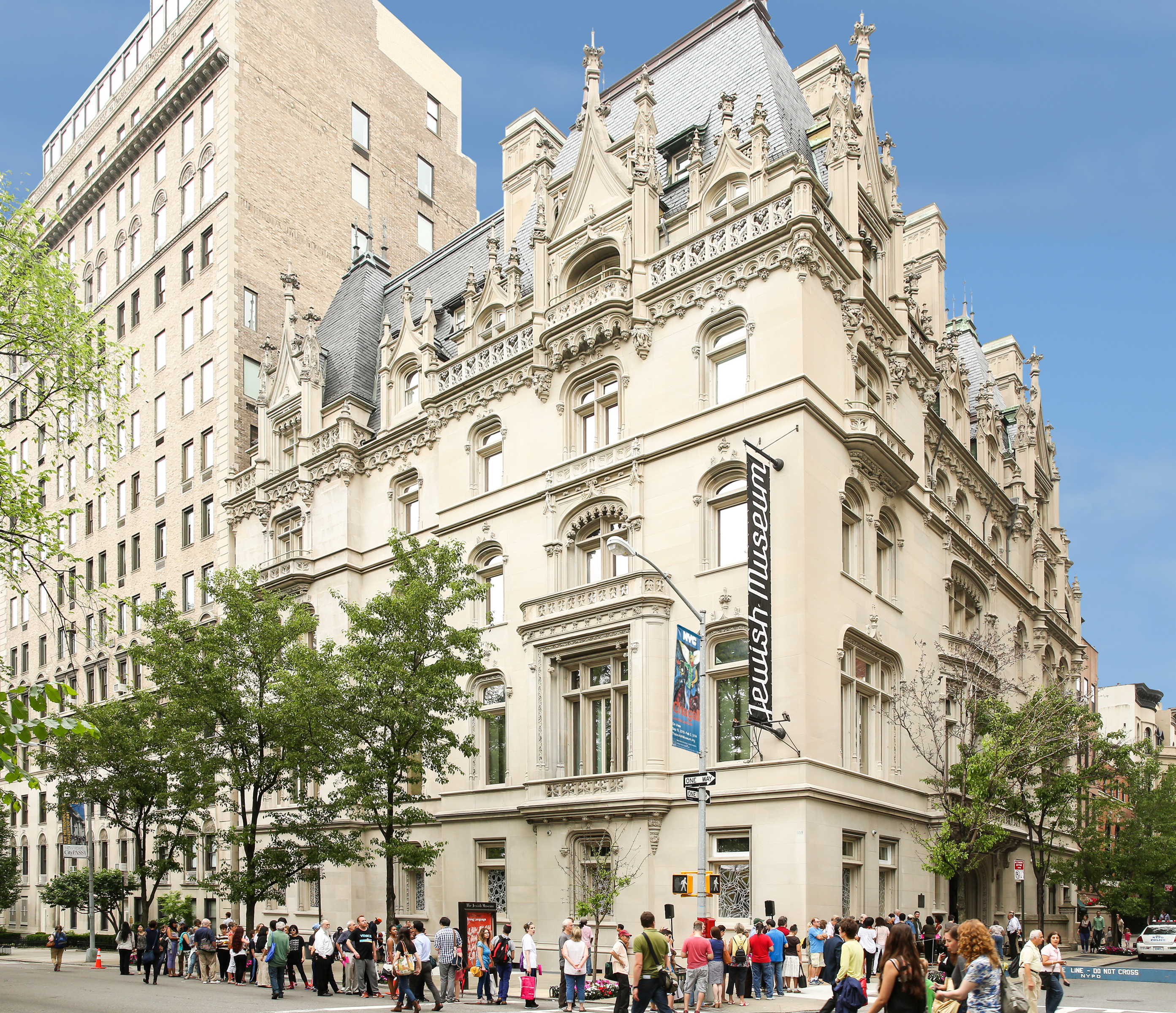
The Jewish Museum: This institution uses NetX specifically for tracking and controlling rights management across its exhibitions, a critical capability for museums that regularly borrow materials, commission new works, and manage complex copyright situations. The system enables the Jewish Museum to document usage permissions, track reproduction rights, and ensure compliance with agreements governing temporary loans and permanent collection materials.
San Francisco Museum of Modern Art (SFMOMA): SFMOMA's collections team achieved significant time savings through seamless integration between NetX and their collection management system, demonstrating the value of interoperability between a DAM and platforms like The Museum System (TMS) and similar museum collections management systems. This approach highlights the importance of connecting DAM infrastructure with existing institutional workflows rather than requiring complete replacement of established systems.
National WWII Museum: The museum leveraged NetX's complete toolkit to put historical materials into visitors' hands seamlessly. Managing extensive photograph collections, oral histories, artifact documentation, and educational resources, the National WWII Museum demonstrates how DAM systems serve both preservation and public engagement missions simultaneously.
Boston Symphony Orchestra: While primarily a performing arts organization rather than a traditional cultural institution, the Boston Symphony Orchestra's use of NetX to manage, distribute, and edit audio files illustrates how DAM principles extend beyond visual materials. The organization handles complex audio assets including performance recordings, rehearsal documentation, and archival materials through the same systematic approach that museums apply to images and objects.
Alvin Ailey American Dance Theater: One of America's most influential dance companies implemented NetX to coordinate asset management across multiple departments, from archival preservation of historical performance documentation to contemporary marketing and education initiatives. This case demonstrates how DAM systems break down organizational silos, enabling seamless collaboration between previously disconnected teams.
These implementations share common elements: institutional commitment to digital infrastructure, cross-departmental collaboration, integration with existing systems, and recognition that DAM represents ongoing transformation rather than a one-time technology deployment. Each institution tailored NetX to their specific needs while building on the platform's core capabilities around organization, preservation, and access.
The Case for Getting This Right
Digital asset management has evolved from a technical convenience to an essential capability for galleries, libraries, archives, and museums. As cultural institutions accelerate their digital transformation, DAM systems provide the infrastructure needed to organize growing digital collections, support diverse workflows, and serve global audiences.
The most successful implementations recognize that technology alone doesn't ensure success. Effective museum digital asset management requires clear strategies, sustainable workflows, staff expertise, and institutional commitment. It demands attention not just to current needs but to long-term preservation and evolving access expectations.
Why NetX for Cultural Institutions
NetX has earned the trust of leading cultural institutions including The Metropolitan Museum of Art, MoMA, SFMOMA, the Jewish Museum, and the National WWII Museum, organizations that demand the highest standards for managing irreplaceable collections. Several factors distinguish NetX as museum collection management software built for the unique requirements of these institutions:
Proven scalability for growing collections: Whether managing thousands or millions of assets, NetX delivers enterprise-grade performance without compromise. Cultural institutions don't simply maintain static collections. They continuously digitize materials, acquire born-digital works, and generate new documentation. NetX scales seamlessly to accommodate this growth.
Flexible metadata and integration capabilities: Cultural institutions work with specialized metadata schemas, controlled vocabularies, and collection management systems that generic DAM platforms struggle to accommodate. NetX's robust API and flexible architecture enable seamless integration with existing infrastructure, including TMS museum collections management systems and other established platforms, rather than requiring disruptive replacement of established workflows.
Specialized features for cultural content: From rights management and reproduction tracking to support for diverse file formats and preservation workflows, NetX addresses the particular challenges cultural institutions face. Features like video speech search, OCR, and AI-powered tagging enhance discoverability without sacrificing the precision and control that scholarly collections require.
Expert service and support: NetX's commitment extends beyond software to include guided onboarding, professional services, and ongoing support from teams who understand cultural institution workflows. This partnership approach recognizes that successful DAM implementation requires both technical expertise and domain knowledge.
Deployment flexibility: With both cloud and on-premises options, NetX accommodates the varied infrastructure requirements, security policies, and preservation strategies of different institutions. This flexibility proves particularly valuable for organizations navigating questions about long-term digital preservation and institutional control.
For cultural institutions beginning their DAM journey, the path forward involves assessing current digital assets and workflows, identifying gaps and pain points, engaging stakeholders across departments, and selecting systems that align with institutional values and technical capabilities. The investment in proper museum management system infrastructure pays dividends through improved efficiency, enhanced access, and better stewardship of digital collections.
As digital assets increasingly define how cultural institutions fulfill their missions, the question is no longer whether to implement DAM, but how to do so in ways that serve both current operations and long-term preservation responsibilities. The institutions that succeed will be those that view museum digital asset management not as an IT project but as a fundamental capability supporting their core mission of preserving and sharing cultural heritage, and that choose partners like NetX who understand these unique requirements.
Starting your DAM search? Download the DAM Buying Checklist to make sure you're asking the right questions before you buy.
Ready to see how NetX can help your institution transform its digital collections into accessible, engaging, and well-managed assets? Explore our platform and request a demo today.
You May Also Like
These Related Stories
Museum Digital Asset Management …and CMS
How the Jewish Museum manages rights for rotating exhibitions with DAM